 Call: (724) 912-8151


-
Family-Owned
Locally and family-owned in Hopwood, serving Fayette County and surrounding areas.
-
Free Estimates
Licensed & insured, PA203391. Call (724) 912-8151 for a free estimate.
 Family-Owned
 Free Estimates
Storm Damage Repair
A storm in Southwestern Pennsylvania rarely stops at the roof. Heavy rain soaks the ground for days, gutters overflow, and the water finds its way into basements, crawl spaces and garages. KAE Solutions handles what comes after: flooded basements, wet walls and floors, the mold that can follow the water, and the leaks that let it in. In our own words: "Storm Damage Services: From flooded basements to shingle and siding repair, we're here when disaster strikes." We're based in Hopwood and serve Fayette County and the surrounding areas. The inspection and the estimate are free: call (724) 912-8151.
Flooded Basement After a Storm: What to Do First
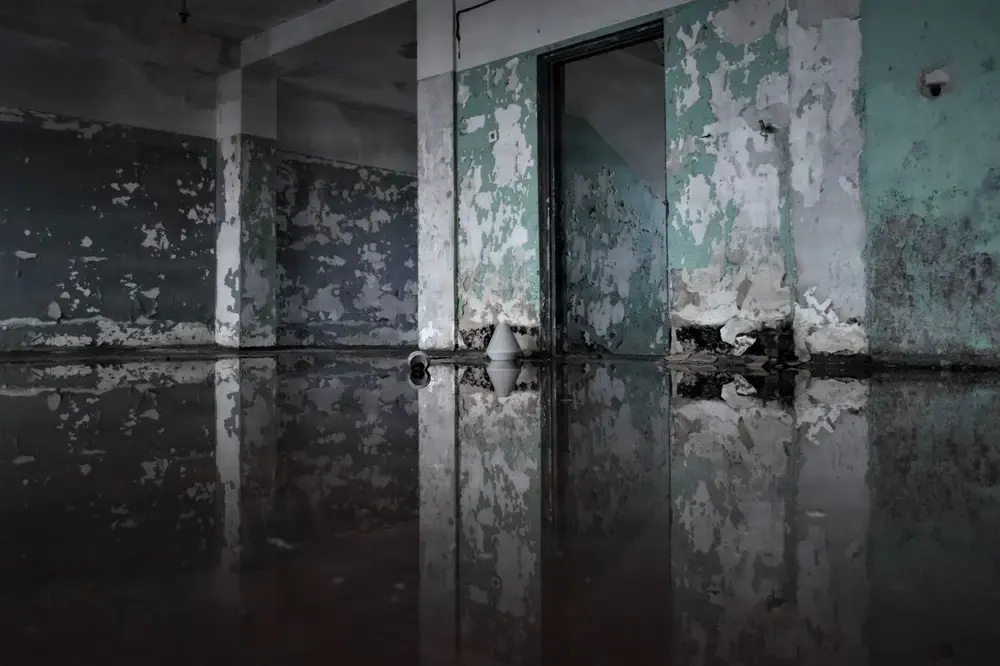
The first hour is about safety more than the house. Before you go down the stairs:
- Stay out of water near electricity. If the water reaches outlets, the furnace, the water heater or an extension cord, don't wade in. Shut off the power at the main panel only if you can reach it from a dry spot; if you can't, call your electric company. If you smell gas, leave the house and call the gas company.
- Watch where it comes in. Water through a wall crack, up through the floor, in at a window well or under a garage door each points to a different fix. Note it while the water is still moving.
- Take photos before anything is moved: the water line on the walls, the wet boxes and furniture, the floor. You'll want a record of the damage.
- Get things up off the floor. Carry out what you can lift safely. Wet cardboard, rugs and upholstery hold water against everything they touch.
- Call us. We'll come look, tell you what's wet, what has to come out, and what let the water in.
What not to do: don't run a household vacuum on standing water, and don't just mop up and move on. Our August 2026 post took on the myth that a little water after heavy rain is normal, and said: "simply drying up the water doesn't necessarily fix why it got there in the first place."
Where Storm Water Gets Into Fayette County Basements
In March 2026, with all the heavy rain, we posted the places we kept seeing leaks: foundation wall cracks, failing garage door seals, cold joints in concrete, basement floor cracks, and window wells and block walls. A cold joint is the seam where one pour of concrete met another that had already set, often where the floor meets the wall, and it is a natural path for water under pressure. Block walls are hollow, so water that gets into the cores runs down inside them and comes out at the bottom course or along the floor.
The weather here keeps that pressure on. NOAA's 1991-2020 normals for the Uniontown 1 NE station count 11.9 inches of precipitation from March through May and 13.19 inches from June through August, the season of summer storms, plus 28.1 inches of snow a year that melts into the same ground. Below the surface, the USDA NRCS soil survey puts the water table within 2 feet of the surface at some point in the year on 42.6% of Fayette County's soil acres. In a wet spell the soil around a basement fills up, and the water pushes on the walls and up under the floor until it finds a way in. Your basement doesn't have to flood for it to have a water problem.
“Fantastic response time. Took care of the water problem very efficiently and cost effective”
Dom P., Google review
Storm Damage Repair, Step by Step
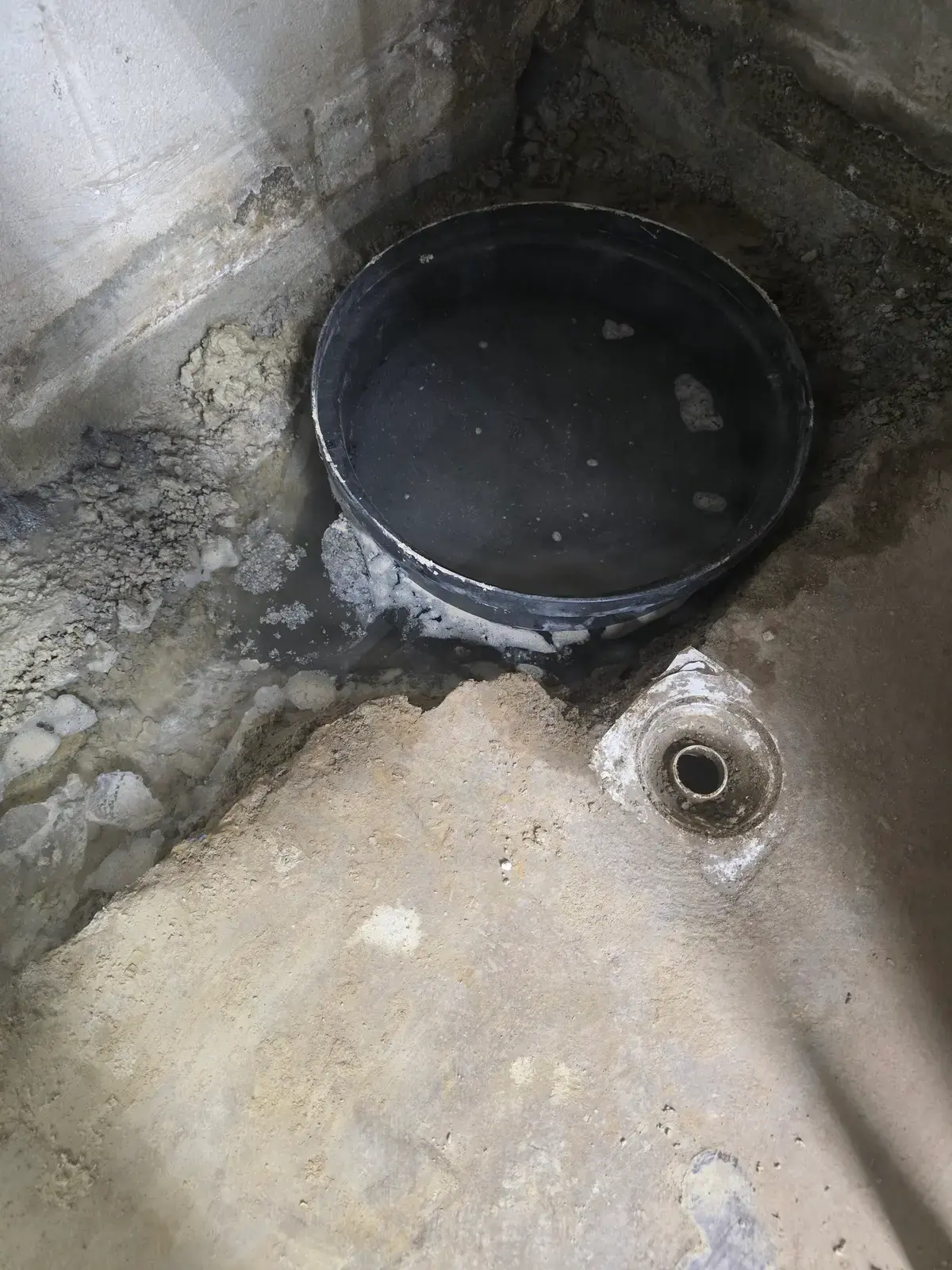
Every storm job is different, but the order of the work is the same:
- Find the source. We'll identify the source and recommend a lasting solution, not a temporary patch. That means looking at the gutters, the grading, the walls, the floor and the sump, not only the wet spot.
- Get the water out. Standing water is pumped out and the floor is cleared.
- Tear out what can't be saved. Wet drywall, paneling, carpet and pad and soaked insulation stay wet inside long after the surface feels dry, and that is where rot and mold start. They come out, down to the studs and the block, and we haul them away.
- Let it dry. Walls, framing and floors have to dry fully before anything new goes over them.
- Take care of mold. Where mold has started on wood or drywall that stays, we remove and treat it. Our mold removal page explains the work.
- Fix the way in. Crack repair, a sealed cold joint, an interior drain and sump, a gutter line: whatever the source needs.
- Put it back together. Once the basement is dry and the leak is fixed, it can be rebuilt. Our basement restoration page covers water damage repair and restoring the space.
When hurricane weather pushed heavy rain and strong winds through in October 2026, we posted it the way we mean it: "We're a local company, and we're here to help our community when this kind of weather hits." Our Google listing shows us open 24 hours. Call or text (724) 912-8151.
Cracks and Bowing Walls After Heavy Rain
Storms don't only push water through a wall. Wet soil is heavier and pushes harder, and in winter the water in it freezes and expands. The Uniontown station logs 128.9 days a year with a low at or below 32°F, but only 25.6 that stay below it all day, so about 103 days a year freeze and thaw, and each cycle works on the soil against a basement wall. Our May 2026 post said that weather shifts, saturated soil and freeze/thaw cycles "can put major pressure on your foundation walls." A new horizontal crack, a block wall leaning in at the middle, or stair-step cracks along the mortar joints are signs a wall is moving.
For a bowing wall we install carbon fiber wall straps, one of the least invasive ways to stabilize it, without the need for large excavation in many cases. A wall that has moved a long way should be looked at by a structural engineer first. Our foundation repair page explains what we look for.
One more check after a storm here: about 31.7% of Fayette County lies in PA DEP's "Underground Mining Area." Sudden new cracks in an undermined area are a reason to call DEP's mine subsidence program first. In 2024 PA DEP repaired a Connellsville home after "Cracking and separation were observed along the foundation walls," most likely from a collapse in the abandoned Davidson Mine, last mined in 1919. We repair cracks and walls; we don't diagnose mine subsidence.
Keeping the Next Storm Out
Our June 2026 post said it simply: "Protect your home before the next heavy rain hits." The weeks between storms are when the lasting work gets done:
- Move the roof water. Overflowing gutters and downspouts that end at the wall put more water against a foundation than anything else. Gutter lines and underground extensions carry it off; see yard drainage and gutter lines.
- Waterproof the basement. An interior perimeter drain and sump pump catch what comes through the walls, and exterior waterproofing stops it at the outside face; see basement waterproofing.
- Seal the cracks and joints that leaked this time, before the next freeze opens them wider.
- Test the sump pump before the wet season: pour a bucket of water into the pit and watch it start, pump and shut off.
- Close up the crawl space if it takes on water or stays damp after rain.
Seal it before you feel it. Call (724) 912-8151 for a free inspection, and we'll tell you plainly what the last storm showed and what is worth doing before the next one.
Did the Storm Leave Water Behind?
Call (724) 912-8151 for a free estimate.
Questions We Hear a Lot

-
If the water is near outlets or appliances, your electric company first. Then a basement waterproofing company that also handles water damage, so one visit covers both the cleanup and the cause. We pump out, tear out what's ruined, find where the water came in and fix it. Call or text (724) 912-8151.
-
No. It's a common belief, and we wrote a whole post about it. Water getting in means something isn't working the way it should: a crack, a joint, the grading or the gutters. Left alone, it brings recurring moisture, musty smells, mold on wood and drywall and, over time, damage to the foundation.
-
As soon as the water is out and it's safe to work. Drywall, paneling, carpet pad and insulation that soaked up water stay wet inside long after the surface feels dry, and that is where rot and mold start. Cutting the drywall above the water line and pulling the wet material lets the walls and floor dry.
-
Look at them closely. Hairline cracks that let in a little water can be sealed. Horizontal cracks, a wall leaning in, or cracks that open suddenly need a closer look, and in parts of Fayette County over old coal mines a sudden new crack is a reason to call PA DEP's mine subsidence program first. We repair cracks and walls; we don't diagnose mine subsidence.
-
Yes. Inspections and estimates are free. Call (724) 912-8151 or use the contact form, and we'll come look at the problem and tell you what we'd do.
-
We're based in Hopwood, PA, and serve Fayette County and the surrounding areas of Southwestern Pennsylvania, including Uniontown, Connellsville and Mount Pleasant. Call (724) 912-8151 to check your location.
-
- Service Area Fayette County, PA &
surrounding areas - Working Hours Open 24 hours7 days a week
-


