 Call: (724) 912-8151



-
Family-Owned
Locally and family-owned in Hopwood, serving Fayette County and surrounding areas.
-
Free Estimates
Licensed & insured, PA203391. Call (724) 912-8151 for a free estimate.
 Family-Owned
 Free Estimates
Yard Drainage & Gutter Lines
Most wet basements start outside. Roof water spills over a gutter or drops out of a downspout against the wall, the yard slopes toward the house, and the soil next to the foundation stays soaked for days after a storm. KAE Solutions fixes that part of the problem for homes in Hopwood, Uniontown and across Fayette County. We run gutter lines, put in underground downspout extensions and gutter extensions, regrade soil that pitches the wrong way, and drain the low spots where water stands in the yard. Protect your home from the ground up. The inspection and the estimate are free: call (724) 912-8151.
Signs Your Yard Drainage Is Failing
One of our posts put it this way: water has a way of finding every weak spot around your home. Outside, those weak spots are easy to see once you know what to look for, and the time to look is during a heavy rain:
- Gutters that overflow in the middle of a run or over the corners: a clog, a sag that holds water, or too few downspouts for the roof.
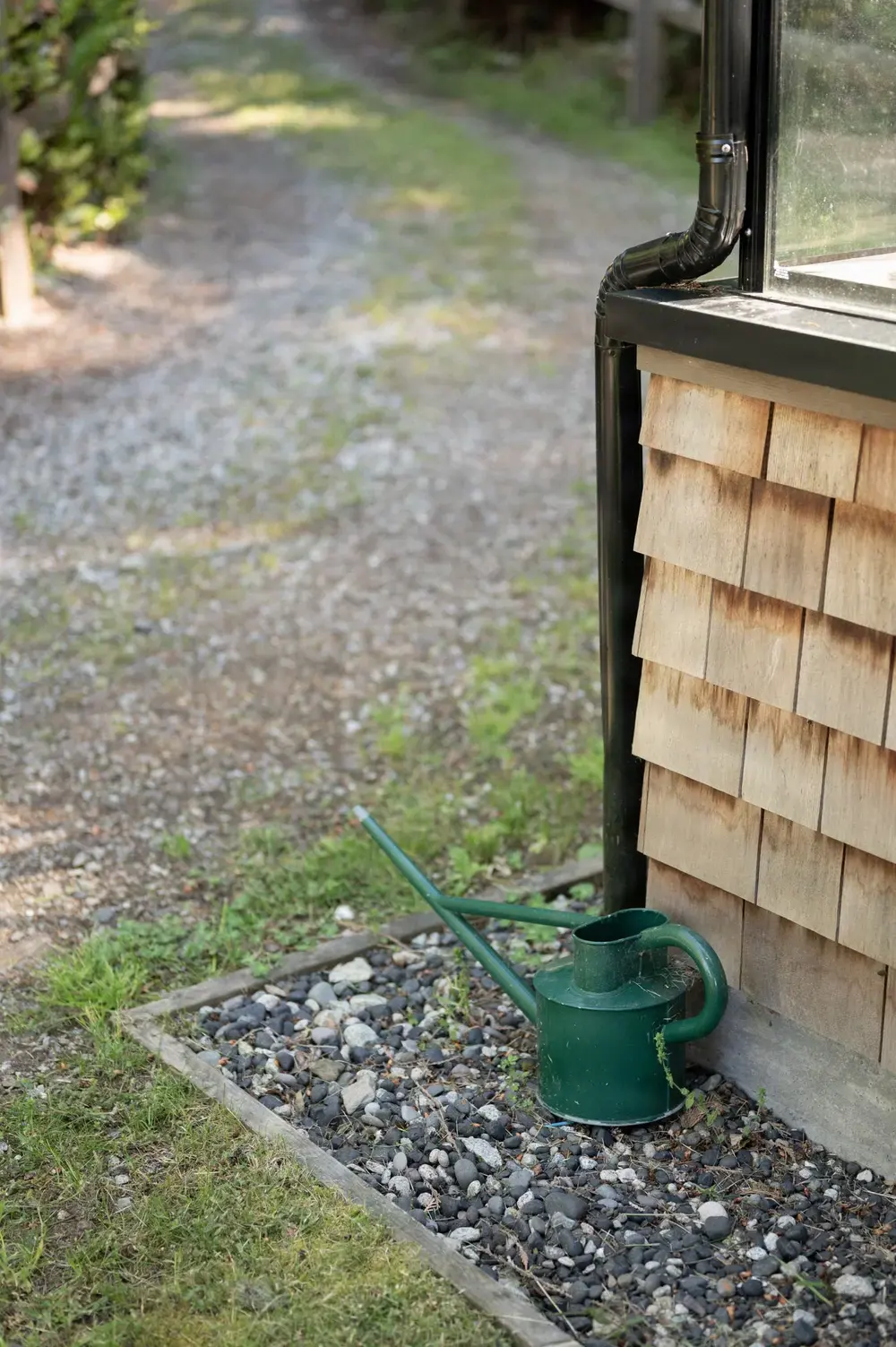
- Downspouts that end at the wall, on a splash block or a short elbow, so the roof water soaks in beside the foundation.
- A bare strip worn into the soil or mulch along the drip line, where water pours off the roof edge.
- Standing water in the yard a day after the rain stops, or puddles against the house, the patio or the garage.
- Soil that slopes toward the house, after years of settling, or flower beds built up higher than the lawn.
- Signs inside: damp walls along one side of the basement, water at the floor joint after storms, a musty smell, or a sump pump that keeps running long after the rain.
If water is already coming inside, the outside work is still part of the answer, but maybe not all of it. Our basement waterproofing page covers the wall and the floor.
Why Water Sits in Fayette County Yards
NOAA's 1991-2020 normals for the Uniontown 1 NE weather station put the yearly precipitation at 44.35 inches, almost five inches more than the Pittsburgh airport gets, spread over 161.2 days a year with measurable rain or snow. Every inch of rain on 1,000 square feet of roof is about 623 gallons of water, so at Uniontown's normal that roof sheds about 27,600 gallons a year, and the gutters hand all of it to a few downspouts. Where they end decides whether the water drains away or soaks in beside the basement wall.
The ground doesn't help. The USDA NRCS soil survey for Fayette County lists ground water near the surface, the "depth to saturated zone", as a limitation on 49.1% of the county's soil acres, and rates 88.6% of acres "Very limited" for dwellings with basements. When the soil around a house is already close to saturated, downspout water has nowhere to go but down along the foundation, where it builds pressure against the wall and finds the cracks. Our March 2026 post said it about that spring's thaw: "All that freezing and thawing puts a lot of stress on gutters, drainage, and foundations."
“From the gutters to the outside drains, the waterproofed basement and killing the mold in our basement, KAE completed it all in one weekend and did excellent work.”
Andrew N., Thumbtack review
Running Gutter Lines and Underground Downspout Extensions
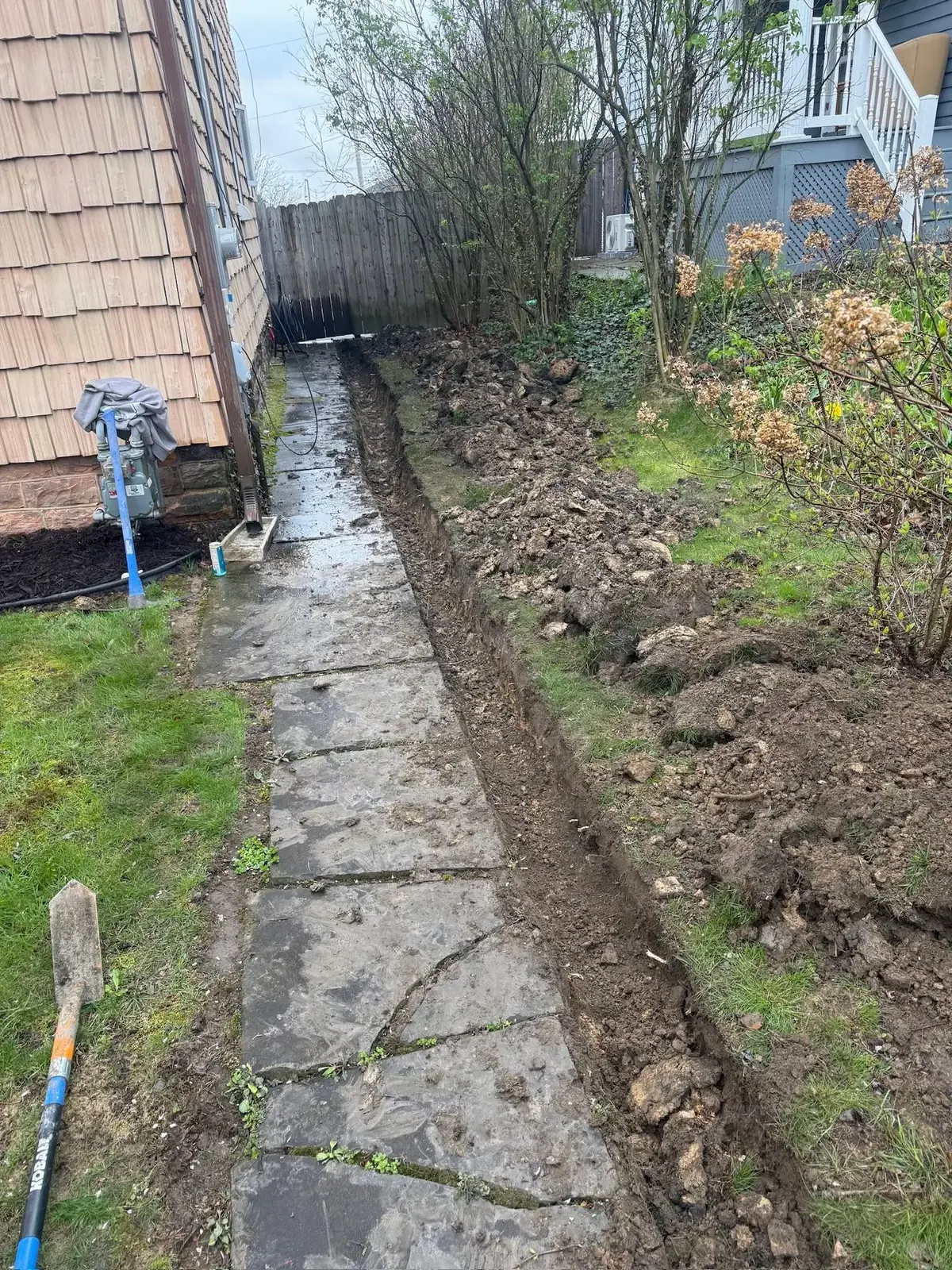
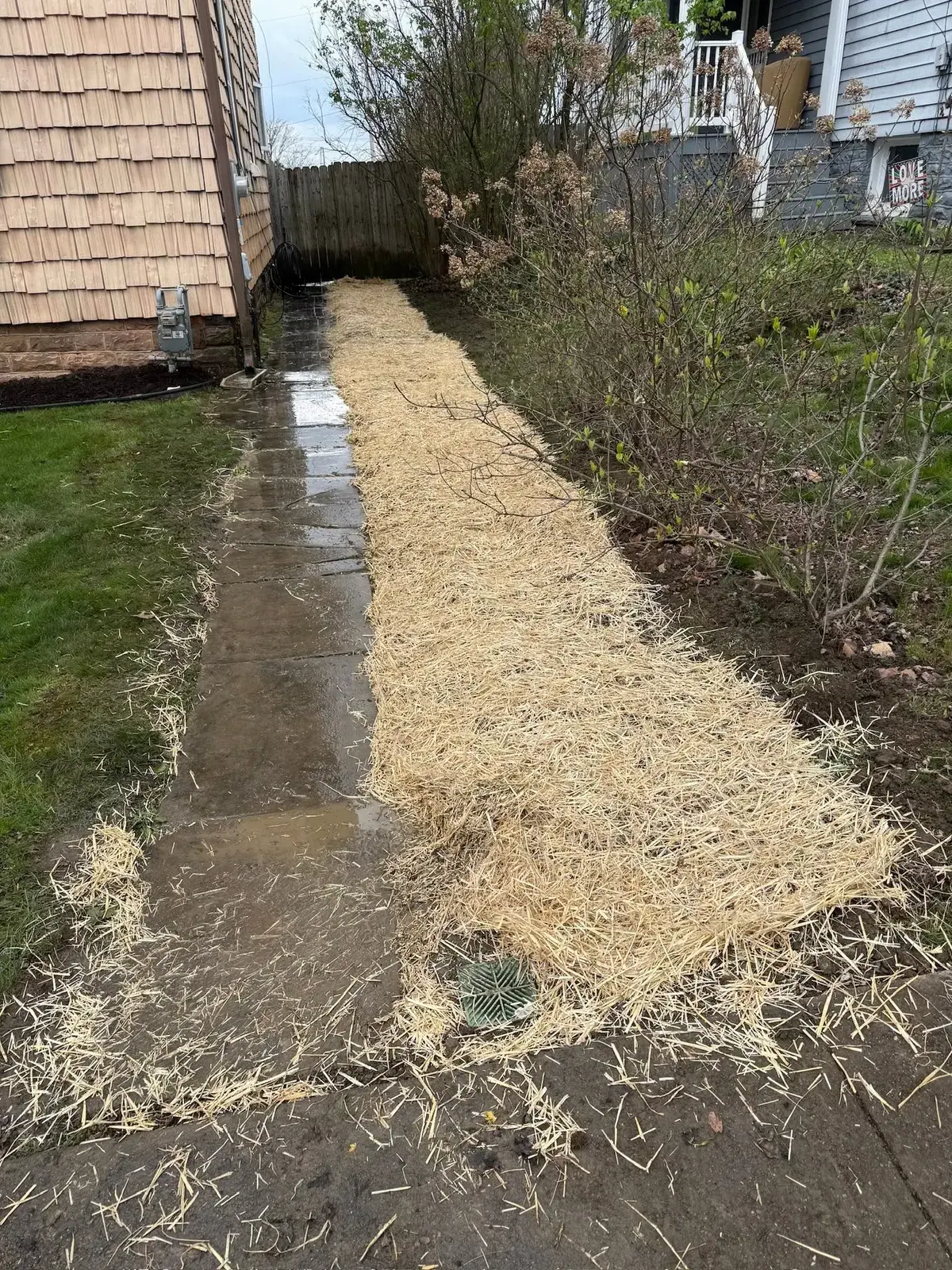
"Running gutter lines" is how we say it, and it means taking the water from each downspout and carrying it in a buried pipe to a spot where it can leave the yard. The job, in order:
- Follow the roof water. We look at each gutter run, each downspout and where the yard falls away, so every line has somewhere lower to go.
- Fix the gutters first. A buried line can't carry water that spills over the gutter before it reaches the downspout.
- Dig the trench. From the downspout out to the outlet, with a steady downhill pitch the whole way, so water keeps moving instead of sitting in the pipe.
- Lay solid pipe. Roof water goes in solid pipe, not perforated, so it is carried off instead of leaking back into the soil beside the house.
- Connect and outlet. The downspout connects at the top, and the far end comes out to daylight at a lower part of the yard.
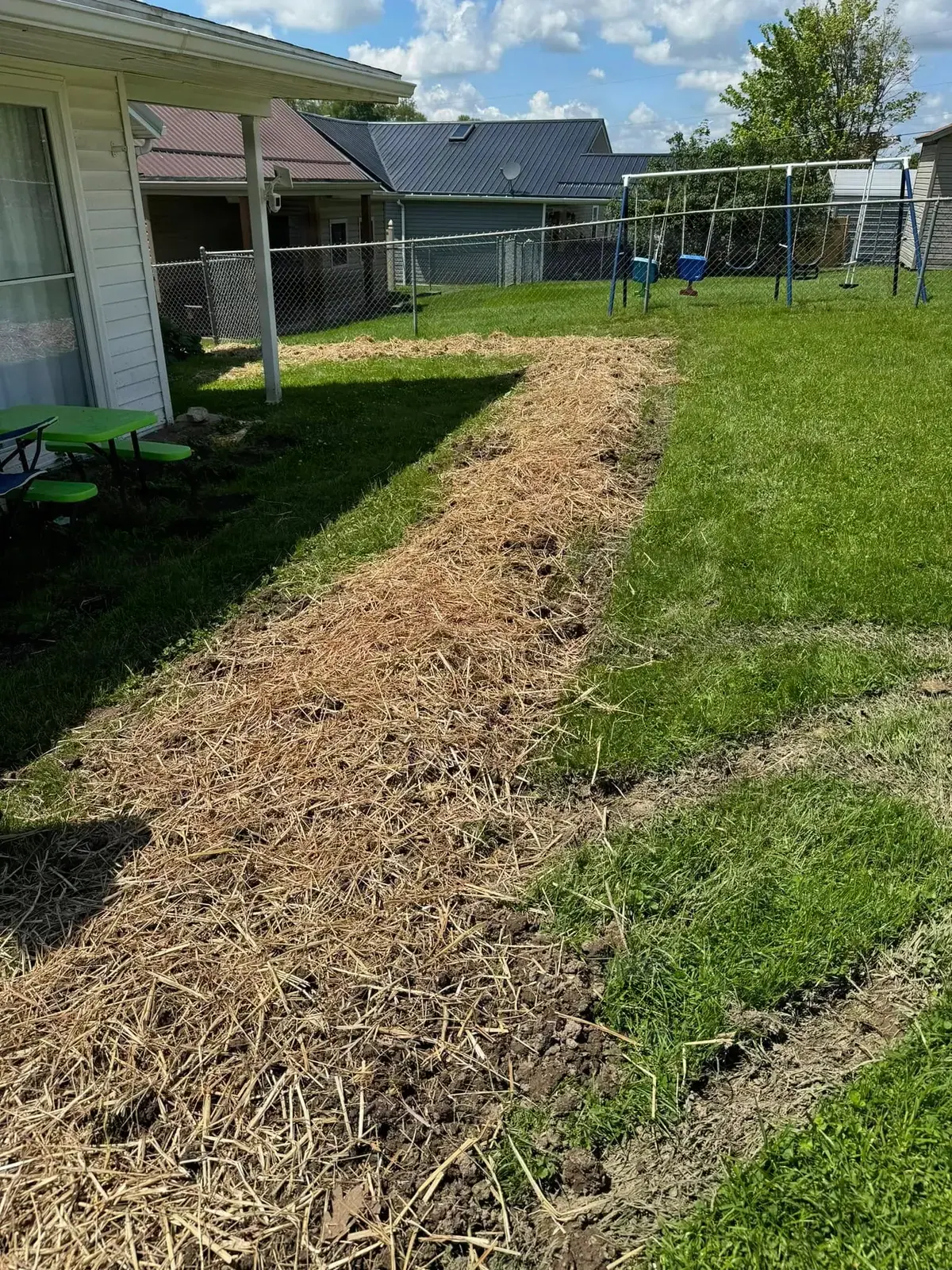
- Backfill and restore. The trench is filled and packed, and the grass or stone goes back.
Where a buried line isn't practical, an above-ground gutter extension can still carry the water past the backfill, the band of soil that was dug out and put back when the house was built. That soil is looser than the ground around it and takes in water faster, which is why water dropped next to the wall reaches the basement so quickly. A line with steady pitch also drains empty between storms, so it isn't full of water when it freezes.
“Definitely demonstrated expert knowledge and resolved a complicated water drainage issue quickly and effectively. Absolutely recommend!”
Natalie C., Google review
Regrading: Six Inches of Fall in the First 10 Feet
Pennsylvania's building code, the Uniform Construction Code, has followed the 2021 International Residential Code since January 1, 2026, and its section R401.3 is plain about the yard: "Lots shall be graded to drain surface water away from foundation walls. The grade shall fall not fewer than 6 inches (152 mm) within the first 10 feet." That is the rule for new building, and also the simplest test for an older yard. Hold a string at the foundation where it meets the soil, run it 10 feet out, level it, and measure from the string down to the ground. Less than six inches of drop means rain runs toward the house.
Older homes fail that test most often. In Uniontown the median home was built in 1942, and the soil beside a wall that old has had generations to settle into a shallow ditch, with flower beds, walks and patios added later holding water against the house. Regrading means bringing in fill, shaping it to fall away from the wall, packing it so it doesn't settle back, and keeping it below the siding and the window wells.
When a Wet Yard Needs a French Drain
Gutter lines and grading take care of water from the roof and water running across the surface. Some yards stay wet anyway: a low spot that collects runoff from up the hill, or a slope that seeps for days after a storm. That water moves through the soil, not over it, and catching it takes a French drain: a gravel-filled trench with perforated pipe at the bottom that gathers water along its length and carries it off by gravity. An exterior French drain along the foundation does the same for the ground against the basement wall. Our French drains page covers how we lay them, inside and outside.
On many properties the answer is a mix: gutter lines for the roof, a regraded strip along the wall, and a drain across the wet spot. Our April 2026 post listed "underground downspout extensions, and drainage solutions for any puddles or water buildup in your yard" next to interior drainage and exterior French drains, because the yard and the basement are usually one problem.
Yard Drainage in Hopwood and Fayette County
We're a locally and family-owned company based in Hopwood, serving Fayette County and the surrounding areas, residential and commercial. We'll walk the yard with you, show you where the water goes, and tell you what it needs, from one extension to a full set of gutter lines. We believe in honest work and doing the job right the first time. If water already reaches a pit in your basement floor, our sump pumps page explains how the inside and outside work together.
We're fully licensed and insured, BBB Accredited with an A rating, and a Pennsylvania registered home improvement contractor, PA203391. Call or text (724) 912-8151, or send us a message from the contact page.
Water Standing in Your Yard?
Call (724) 912-8151 for a free estimate.
Photos From Our Jobs
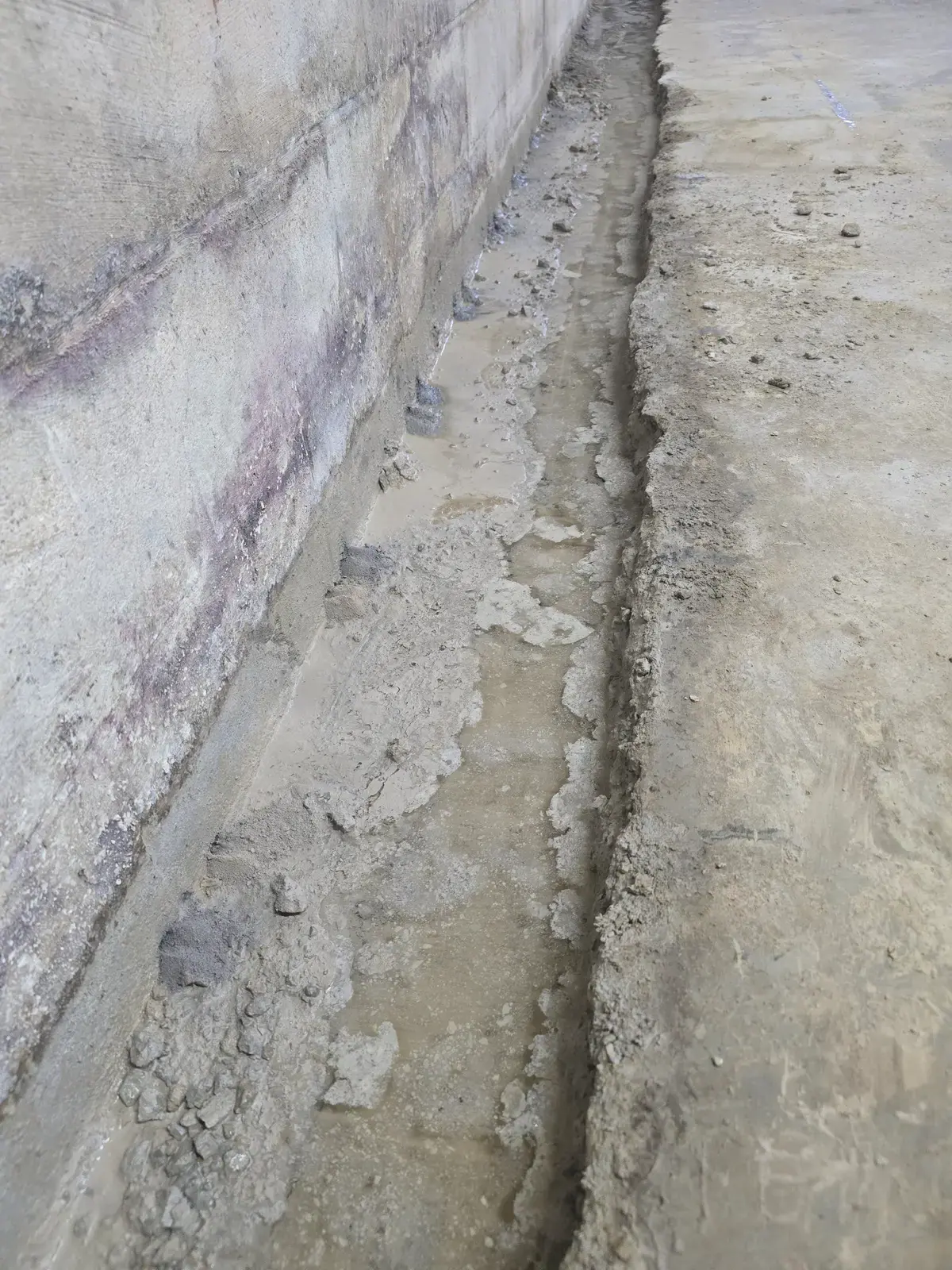
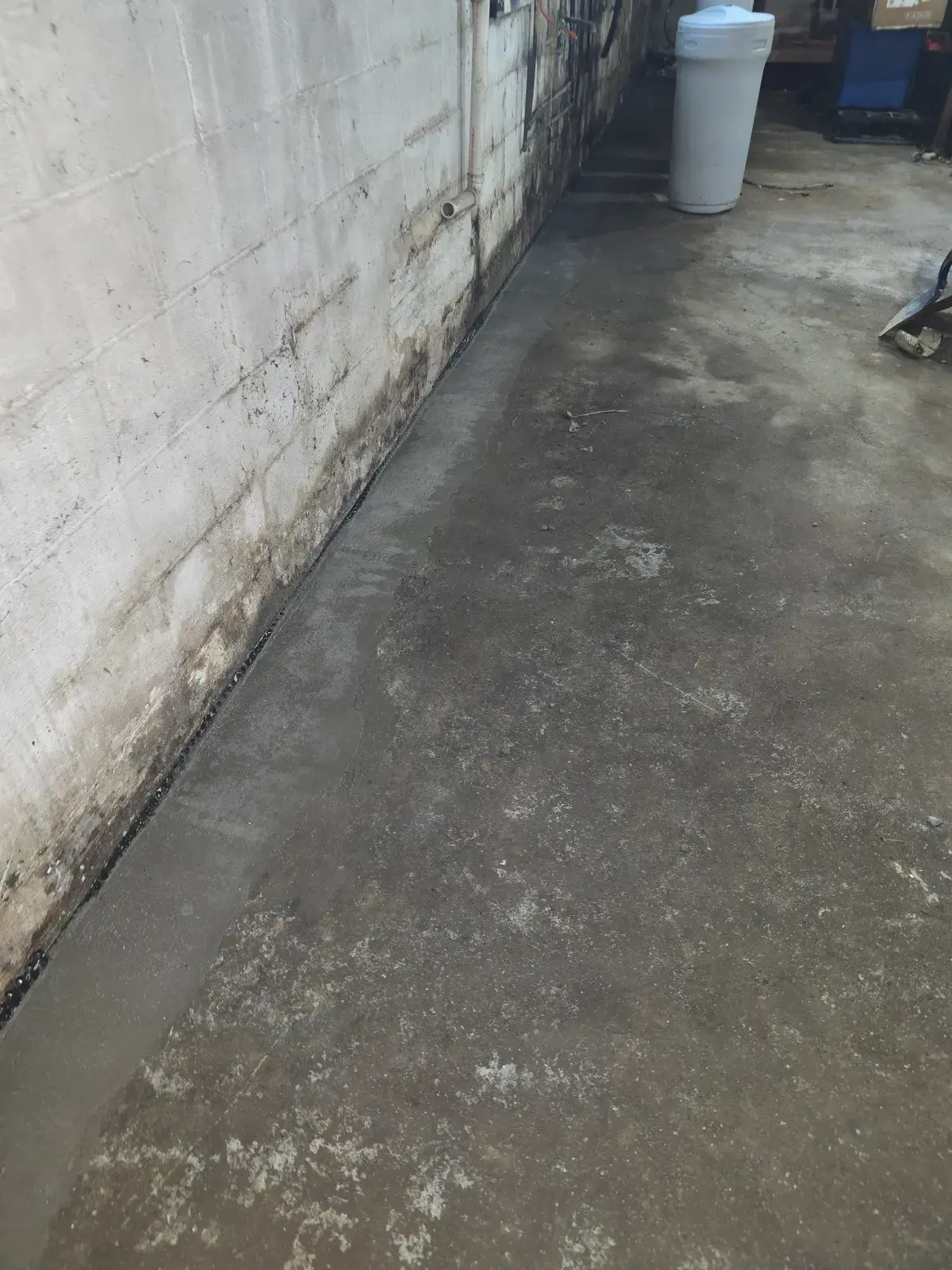
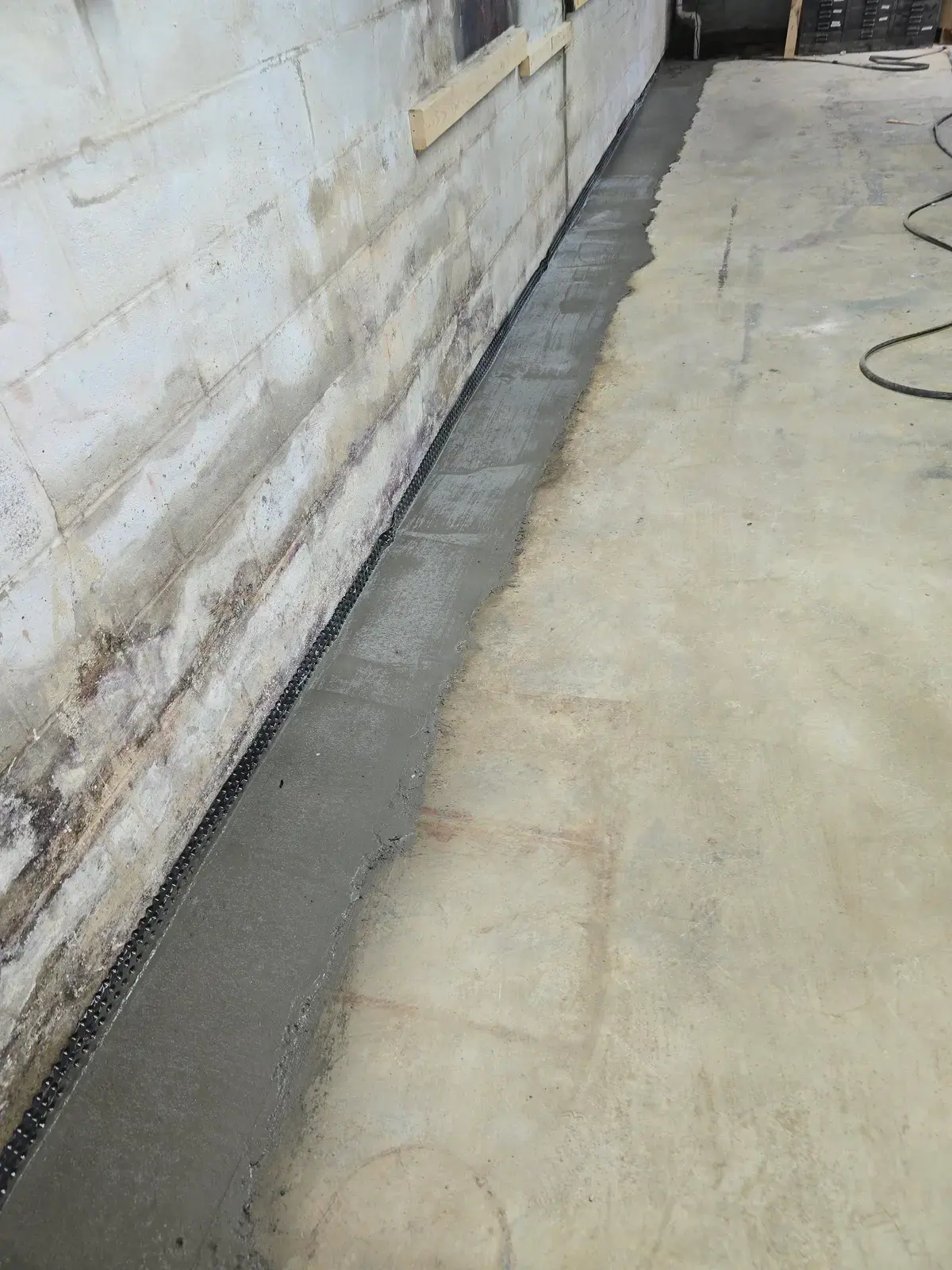
Every photo here is from one of our own jobs. Tap one to see it bigger.

Questions We Hear a Lot

-
Start with where the water comes from. If it's roof water, gutter lines or extensions carry it to a lower part of the yard. If the yard slopes toward the house or a low spot collects runoff, regrading or a French drain moves it away. Many yards need a mix of the two, and the free inspection tells you which.
-
Where the yard allows it, usually yes. A buried solid pipe carries the water well away from the foundation, stays out of the way of the mower, and can't be knocked loose. It needs a steady downhill run to an outlet lower than the downspout, so on a flat lot an above-ground extension or some regrading may be the better answer.
-
Yes. Water that soaks into the soil beside the foundation pushes against the basement wall and finds cracks, cold joints and the joint between the wall and the floor. Moving roof water and surface water away from the house is often the first and simplest part of keeping a basement dry.
-
Pennsylvania's building code, section R401.3 of the 2021 IRC, says the grade shall fall not fewer than 6 inches within the first 10 feet from the foundation. Less than that, or soil that has settled into a dip along the wall, lets rain run back toward the basement. Regrading brings the yard back to that slope.
-
Yes. Inspections and estimates are free. Call (724) 912-8151 or use the contact form, and we'll come look at the problem and tell you what we'd do.
-
We're based in Hopwood, PA, and serve Fayette County and the surrounding areas of Southwestern Pennsylvania, including Uniontown, Connellsville and Mount Pleasant. Call (724) 912-8151 to check your location.
-
- Service Area Fayette County, PA &
surrounding areas - Working Hours Open 24 hours7 days a week
-


